
Or how I react to their negative energy…
Last week, while at the gym, I overheard a disgruntled woman say on the phone that “she didn’t like what someone else had said.” Immediately afterward, the same woman added, “But it could just be me.”
As a therapist, hearing someone give another person the benefit of the doubt during a potential conflict brings music to my ears.
What we hear is not always how someone intended their message to be interpreted.
What we hear is often about our stuff, not someone else’s.
What we hear is shaped by our history with trust and trusting others—a history that can be complicated and messy.
When I worked at the Children’s Hospital of Philadelphia, I taught social skills to middle school students as part of a violence prevention study. One of the first gems we taught the students was to ASSUME AN ACCIDENT in situations that could be interpreted as malicious.
We explored potentially conflict-laden hypothetical scenarios, such as how we might react if someone bumped into us in the lunch line and spilled milk all over our pants. We then generated lists of possible behavioral responses the students imagined they might have.
This learned skill comes from the literature on hostile attribution bias, which examines how some people automatically attribute malicious intent to ambiguous situations with others without considering the specific circumstances surrounding an event.
As it relates to the spilled milk scenario, those prosocial situational questions could include:
Someone bumped into you and spilled milk all over your carefully curated outfit. But what if someone had bumped into them, creating a domino effect?
Perhaps the person tripped over an untied shoelace.
Maybe they were simply distracted or naturally clumsy.
Before reacting to something that offends us, we need to mindfully assess our thoughts about others and the overall context. Our interpretations of other people’s intentions are not always accurate. In fact, our assumptions can lead us to create narratives that simply aren’t true.
Now, let’s return to the woman at the gym and her comment on the phone: “But it could just be me.”

I invite you to consider how much space those words create for another person to not be vilified and for us to develop deeper insight. That simple statement opens the door to self-reflection, curiosity, and the possibility that our feelings may be more rooted in history than the present moment.
I am not suggesting that we allow people to walk all over us without limitations or boundaries. Rather, I am inviting you to consider why certain people trigger us and what those reactions might reveal about our own experiences, disappointments, and histories.
Below are some questions to help us discern whether our reactions “are just us” and our biased interpretations.
Did your family teach you not to trust the general population? Some of us have good reasons to be cautious, especially if our families have experienced cultural or generational trauma.
Does the person we’re reacting to remind us of someone who has hurt us in the past? We can be easily triggered by unresolved feelings and previous conflict.
What is the environment in which we’re reacting? Is it at school, work, a place of worship, or a board meeting? Do we feel heard, seen, valued, and respected in these spaces?
What insecurities surface when we’re alone? These insecurities may become magnified when we’re around others. Understanding our triggers can help to improve our relationships.
What We Can (and Shouldn’t) Do Instead of Talking About Those Who Have Offended Us
Sometimes, what we call venting can become gossip. Here are a few things to consider before discussing a conflict with others:
Know the difference between problem-solving and disparaging someone’s character. It’s one thing to seek advice, explore different perspectives, and brainstorm ways to handle a conflict. It’s another to attack someone’s character or make assumptions about their intentions.
Ask the person who offended you for clarification. Try saying, “I’m not sure what you mean. Could you help me understand?” or “Can you clarify what you meant by that?”
Sometimes, a person’s actual intent doesn’t align with the impact their words or actions have on us. Making room for that distinction can help us approach potential conflict with curiosity rather than immediately assuming the worst.
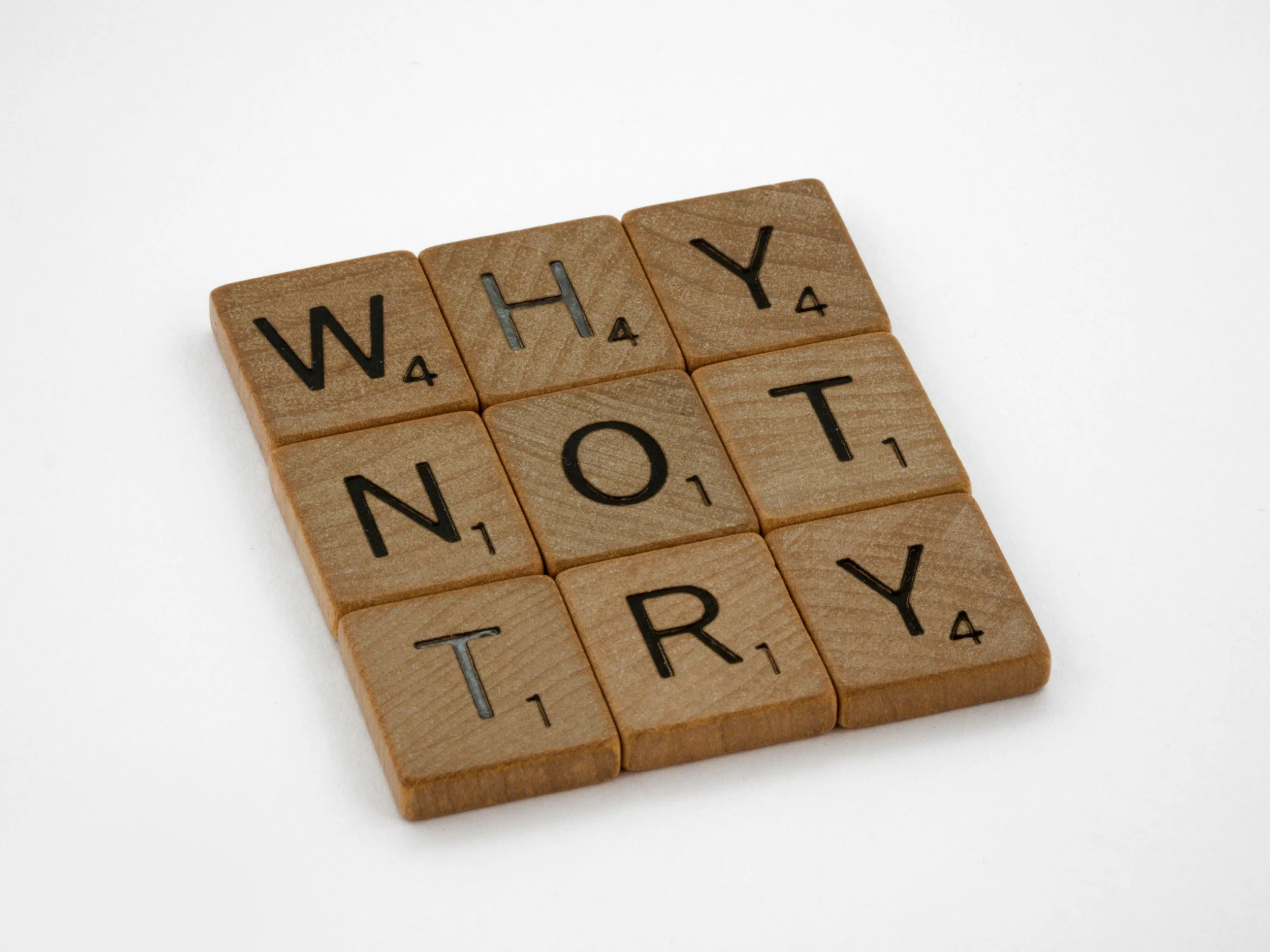
Photo by Brett Jordan on Unsplash
How to Handle Someone Who Exhibits Toxic Behaviors and Who May Enjoy Stirring the Pot
Avoid them like the plague. (This is somewhat of a joke, because sometimes we don’t have a choice but to engage with them.) Avoid sharing personal information with these people and seek support before and after interacting with them to help protect your emotional well-being.
Shrink them in your mind. Too often, we allow toxic people to take up far too much space in our minds and consume too much of our emotional energy. We can acknowledge their behavior without allowing them to dominate our experiences.
Take them less seriously. Their behavior isn’t always about how they treat you; it may reflect how they generally interact with others. Recognizing this can help you stop personalizing their behavior.
Have empathy for them. How did they get here? What bumps and bruises have they accumulated along the way that remain unhealed or unattended to? Are they lonely? Do they have meaningful support systems or friendships? Understanding someone’s pain doesn’t excuse their behavior, but it can help us respond with greater compassion and less reactivity.
After all, hurt people often hurt people.
I hope these prompts are helpful the next time someone triggers you and you find yourself asking, “Maybe it’s just me.” No matter our age, we all have more to learn about how we react to others.
Love Well,
Kim