Intentions= An Invitation to More Aliveness (5 minute read)
Some of us who have tried yoga—or who are diehard weekly class-takers—have heard the instructor say, “Set an intention” at the beginning of class. What is an intention? Do we actually set them outside of the yoga studio? Do they differ from goals?
According to Webster’s Dictionary, an intention can mean a “purpose,” a “determination to act a certain way,” an “object for which a prayer or pious act is offered,” or even the “healing of an incised wound.”
Personally, when I set my intentions in yoga classes, it is simply hope for order, peace, and rest.
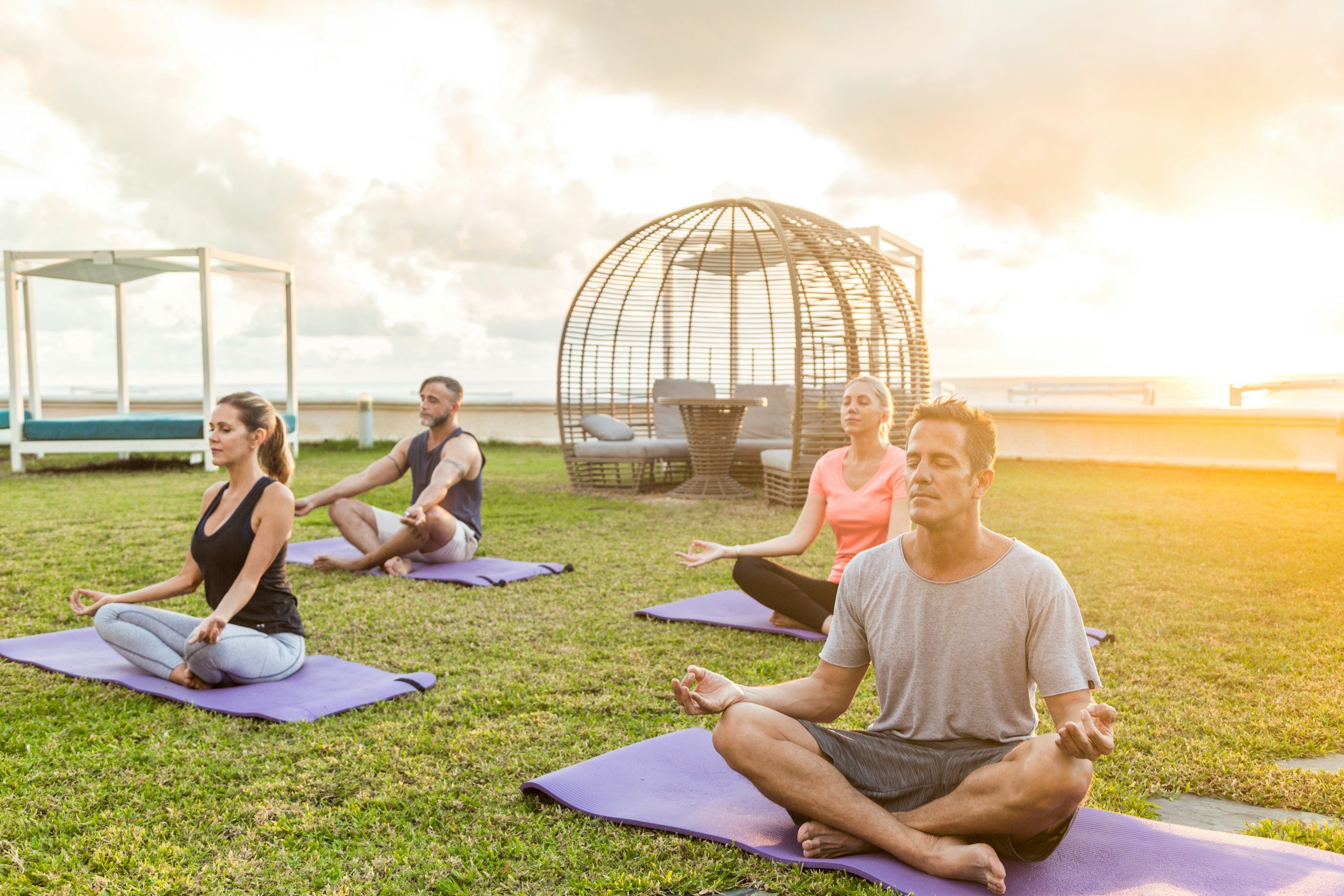
Yet our worshipped ideals of progress, comparison, and selfishness leave little room for order, peace, or rest. Before embodying my intention, I first must acknowledge that I dwell among others who are caught in a never-ending, massive current of striving—and that we have a choice: to do nothing, to swim frantically, or to swim calmly toward a boat in the distance where we can finally catch our breath.
“Swim against the current”, they say.
“It’s as difficult as it sounds”, I say.
The boat may still bop back and forth with the current, but at least we have found respite—a place to notice what our bodies and minds feel like when co-existing away from the noise, even if only for a moment.
What is your “boat”?
What are your intentions for your current life season?
Do you slow down enough to set them?
Do you notice when you need to heal from old wounds?
What things are getting in the way of you being able to find order, peace, and rest?
I believe the antidote to cultural chaos is slowing down—reawakening to our five senses and to the people and world around us. For instance, how often have we thought we should listen to a podcast to add even more knowledge to our already bursting brains, as if we are literally meant to be walking libraries, instead of simply listening to the birds sing, feeling the breeze, or chatting with a passerby that we’ve just met?
When we allow our ears and eyes to return to notice natural moments in life, our other senses reawaken to the life that is, not the one we have curated.
Why are we so afraid to slow down?
What are we running from?
And just in case you can’t make it to a yoga class, the following is a list to help you slow down in order to find your own intentions:
Practice mindful eating. Chew each bite of food at least 20 times. Or, try a piece of fruit and notice its texture: Is it sweet or sour? Juicy or dense? Try this with family members and talk about what each person notices.
Go outside and listen. Listen to the birds, cicadas, forest, or ocean. Get into nature without your earbuds. The Earth around us is quite a symphony. When we don’t carry our phones with us everywhere, we become more open to experiencing the stimuli of the present moment.
Journal. There are a million journals out there, but I personally and professionally like gratitude journals because research suggests that people who practice gratitude tend to experience greater positivity and well-being. If you need to process trauma, addiction, divorce, postpartum stress, caretaking, or other difficult life experiences, there are also specific journals to help support your journey.

Journaling can create clarity or help to process loss.
4. Spend less time on social media. Research has found associations between higher levels of social media use and poorer mental health outcomes. Consider reducing social media, particularly if you notice that it leaves you feeling distracted, anxious, inadequate, or disconnected from the present moment.
5. Invite others. Have neighbors, co-workers, friends, or family join you for coffee, a walk, or dessert. Connection combats loneliness. Our phones can make us feel lonely because they can never replicate real togetherness. We need eye contact, ears to listen, voices to speak, and shared smiles, laughter, and stories—all of which remind us that we are interrelated.
6. Breathe. Inhale and exhale slowly five times. Close your eyes as you expand your lungs and let yourself settle into the moment. It may even feel like a micro-nap!
7. Watch this beautiful video, “Disconnecting to Connect.” As a clinician, I’ve noticed that excessive phone use can dull people’s affect and inhibit genuine connection. Looking up, engaging with others, and participating in real-life experiences can deepen our relationships and open us to possibilities we might otherwise never notice.
*Extra Credit- What if you received the life-altering news that you had only a few months left to live? How would you choose to spend your time differently than you do now?
That’s it for now, Friends. As we start to notice our need for order, peace, or rest, I wish that you find some childlike aliveness and an increased, intentional connection with your loved ones.
LoveWell,
Kim