Yikes, It’s Summer!!! Yay!!! (6 minute read)
My favorite season of the year is summertime. It brings fresh air, breezes that offer a reprieve from the heat, walks with dogs in shaded areas, spontaneity, time outdoors, and space to dream, explore, or simply lay around and read. It also offers eclectic and no-so-great live music and an overall slower rhythm of life.
At the same time, it can add extra pressure on parents to balance two worlds: (1) adult responsibilities, including career and home duties, and (2) ensuring our children and teens have both structure and the rest and adventure they crave and need after a long school year.
So how do we engage in both worlds at the same time?
As I continue to juggle a part-time career alongside parenting, I’ve found it helpful to pause before summer begins and reflect on my intentions: I want to use my brain, creativity, and skills while also being available to guide, direct, and play with my girls. Often, those two intentions can feel at odds with one another.
I haven’t yet figured out a neat, clean schedule for summer (and my oldest is going into her senior year of high school). I am convinced that doesn’t even exist. Most days I can still feel frazzled, but I know that in just a few short months, the dreaming and exploring phase of summer will be gone. So, every June, my kids and I create a summer bucket list, giving ourselves space to imagine how we want to spend our free time.
As my kids get older, they want me around less and prefer spending more time with their peers—which can make it harder to know when to be available for my girls. I suppose that’s one of the challenges of family life: it isn’t as clearly defined as a job, and it doesn’t follow a set project calendar. There’s less predictable flow in those relational parts of our lives, for sure. So, I’ll simply name that difficulty before I continue.
Below is a list of thoughts and practices I use to try to find balance during the summer. It may not be exactly what you’re looking for because, frankly, what you may be yearning for this summer may not always be possible. It may simply be a season to endure—while recognizing both the challenges and the blessings it brings. A yin and yang of opposing forces, all in the pursuit of balance.
1) What do you already have that you would like to use more often? Do you have a kayak, paddleboard, basketball net, a nearby water source for fishing or picnics, or access to local hiking trails? You don’t have to spend money or use much gas to enjoy summer.
2) What things have given you a sense of calm during the other seasons? Keep using them! If going to the gym, walking with friends, stretching, attending to your spirituality, reading, or spending time with your spouse has refreshed you before, please continue to do these things! They work, and you will need to build some reserve so that you have the patience to handle all of the requests you will be getting this summer (ie, ice cream trucks, daytrips to the beach, amusement parks, etc). It’s better to handle the requests from a balanced mind versus an empty “gas” tank.
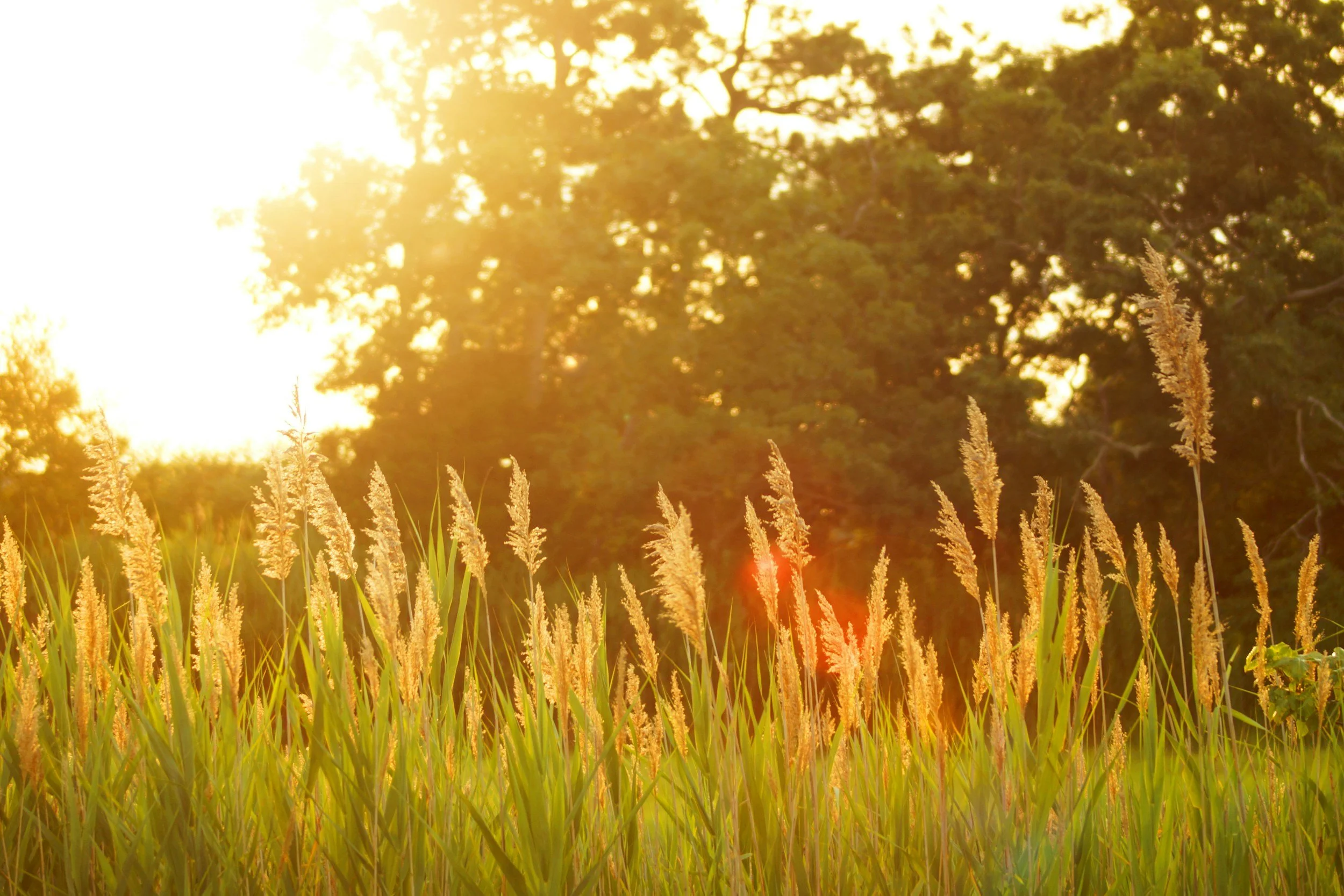
Simply noticing how the sun paints the Earth in splendor and shadow is enough of an activity.
3) Know what stage of life your child is in. Do your research, stay curious, ask for support, and consider working with a therapist. I’m currently reading Fourteen Talks by Age Fourteen: The Essential Conversations You Need to Have with Your Kids Before They Start High School. In the book, the author suggests that 14 is the new 18, highlighting how quickly children are being exposed to more mature experiences and influences.
I’m also reading other books about the teenage brain and the impact of social media. All of this has reinforced the importance of understanding the culture our children are growing up in. In some ways, it resembles the world we grew up in, but in many ways, it is vastly different. The more informed we are, the better equipped we are to understand our children, empathize with their experiences, and support them as they navigate today's challenges.
4) Continue to have Boundaries. Know your boundaries. This one is tricky because work often comes with built-in boundaries—the start and end of the day, designated workdays, and project deadlines. But how will you establish and maintain the personal boundaries that matter most to you this summer?
For instance, will you allow your kids more screen time? Or not? Will an increased allotment of screen time detract from your ability to connect with your kids the way you want to?
Could you incorporate a regular date night with your partner into your summer routine to break up the monotony of serving the kids yet one more meal?
Do you want to keep your same yoga or workout routine, or switch to working out outside or in the evening instead?
I recommend reading Boundaries: When to Say Yes, How to Say No to Take Control of Your Life or The Set Boundaries Workbook: Practical Exercises for Understanding Your Needs and Setting Healthy Limits to help you explore what you are saying yes and no to internally before you express it aloud.
5) Teach Life Skills. I read a book several years ago called, “Mean Moms Rule: Why Doing the Hard Stuff Now Creates Good Kids Later”. Do your kids know how to: fold laundry, set the table, welcome guests, and assist with food preparation? This can be a two-for-one win: you're teaching valuable life skills while also setting the boundary that you don't have to do everything for your children. This summer, one of my goals is to have each child take responsibility for making dinner one night a week. A boundary I need is a break from constantly planning meals that everyone will enjoy.
6) Where can you find “flow”? Flow is a state of deep concentration that occurs when your focus aligns with a chosen activity or task. We need to be able to focus in order to find flow. That can be nearly impossible when we share space with our kids.
If you're working around your children this summer and find it difficult to focus on a writing project or important meetings, consider working from another location, such as the local library or an office share space.
If you work part-time, could you swap childcare responsibilities with a friend or neighbor on certain days?
What resources are available to help you create flow conditions? Flow plays a vital role in mental well-being. When you make space for focused, meaningful work, you'll likely feel happier and more fulfilled—and your family will benefit, too!

7) What can you let go of that is not yours to hold? How do you feel when you're floating in a pool with nothing around you but water? There is something so freeing about simply letting go.
If you tend to be over-responsible for other people's feelings—whether as a people-pleaser, an empath, or just someone who cares deeply—you may be carrying burdens that aren't yours to hold. Consider making a list of the worries, responsibilities, and emotional weight you have taken on for others. Then, little by little, practice letting them go in your mind.
This doesn't mean you'll stop caring about the people you love. It simply means you'll spend less energy carrying the things you cannot control and more energy focusing on what is truly yours to hold.
That’s it for now, Friends. As we walk into summertime, I wish you patience, peace, and deep connection with your loved ones.
LoveWell,
Kim